← Back to Our Work

The Millers — New Construction Repair

Project name: The Millers. This project was brought to us by one of our subcontractors we'd been working with regularly since we opened our doors. They had already done a few smaller projects for the Millers. This particular project was a larger scope and they were not willing to take on the liability. Unfortunately for the Millers, they had been conned by a "contractor" who was later charged with fraud — the Millers were not alone. The project stopped when the rough framing inspection was called in and the county inspector red-flagged it. The previous contractor had deviated significantly from the plans and had not called any of the preliminary inspections required. The roof called for 12-inch I-joists; the fraud used 2x6s to span 20 feet. Ohio Residential Code Section 502.3.1 specifies that at 16 inches on center, the maximum span is roughly 10 feet — so the entire roof structure was unusable. The west wall was completely removed because the headers were undersized and it was supposed to be a clear span across the back of the structure. The north and south walls had to be moved out by half an inch so the wall sheathing would sit correctly. The first floor was also overspanned, so we did the math, checked it with the architect, and added an LVL header to split the span. All in all it was a great project to get the opportunity to build, and the Millers were awesome people who didn't deserve to be taken advantage of in that way. Thanks to the Millers for trusting us to build their dream space.

Before


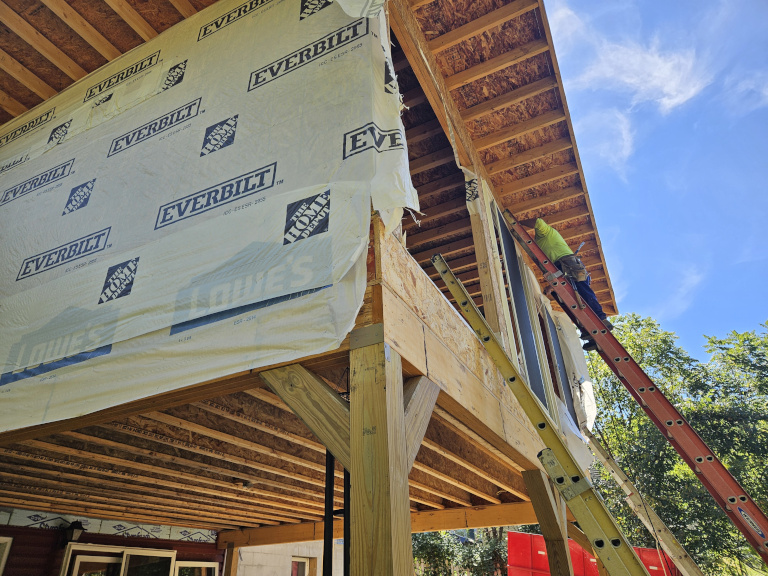
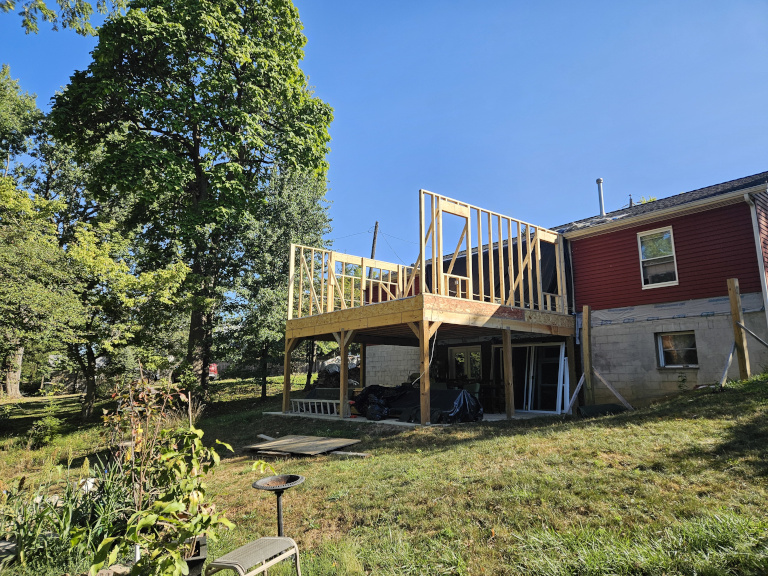
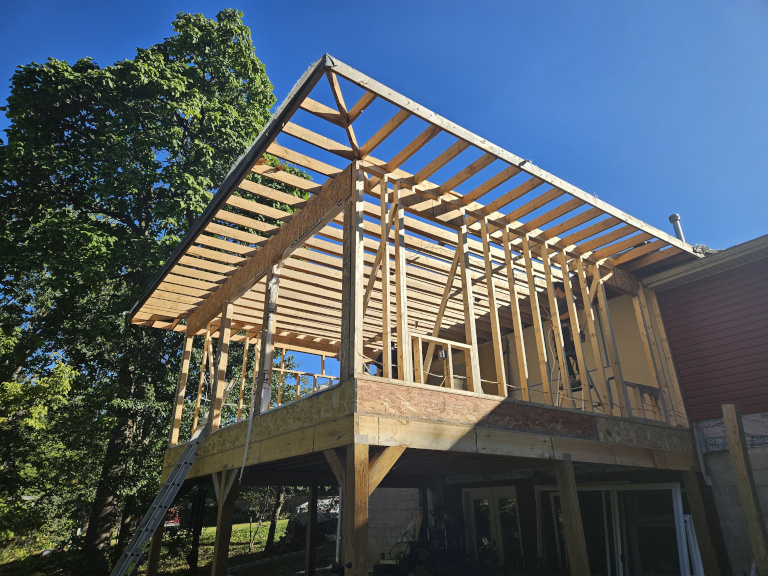
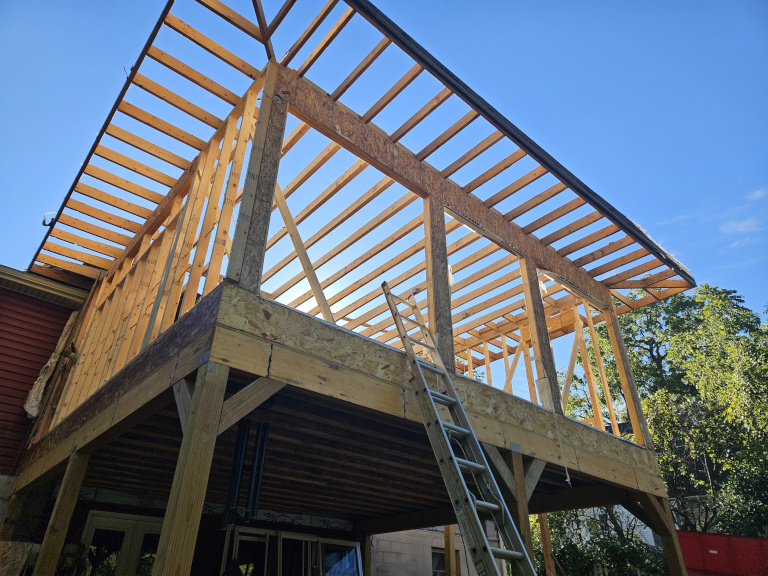
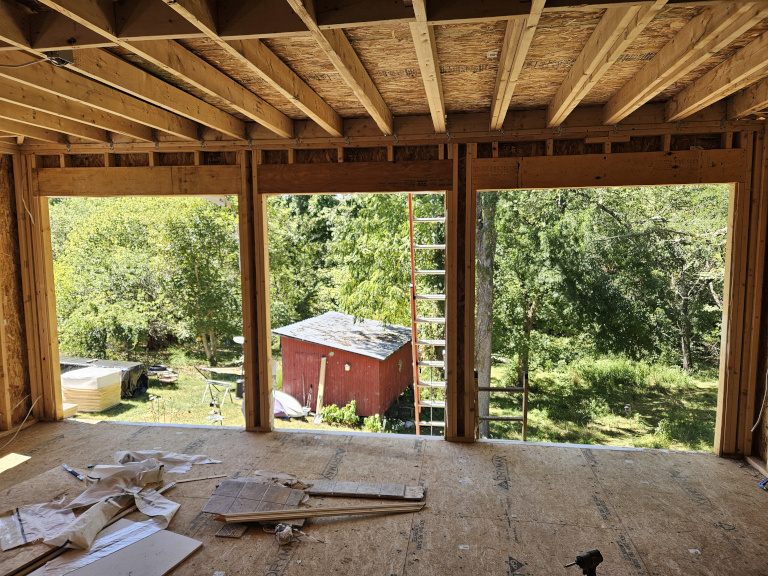
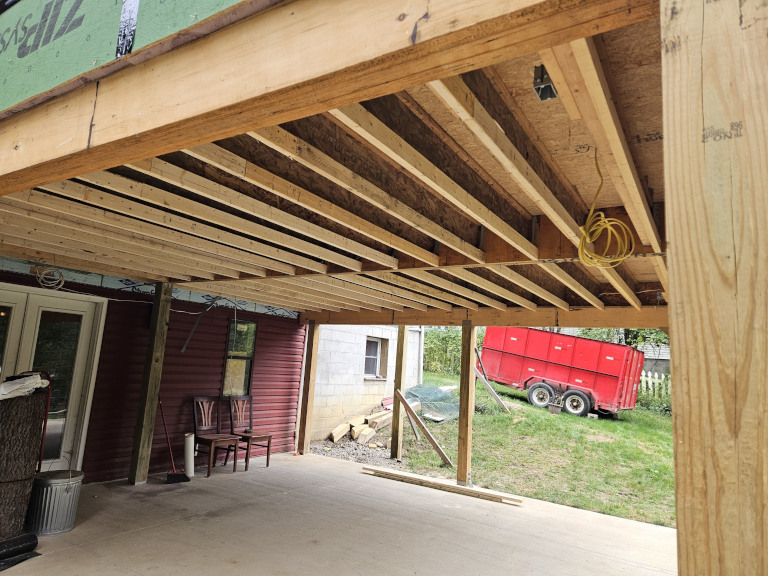
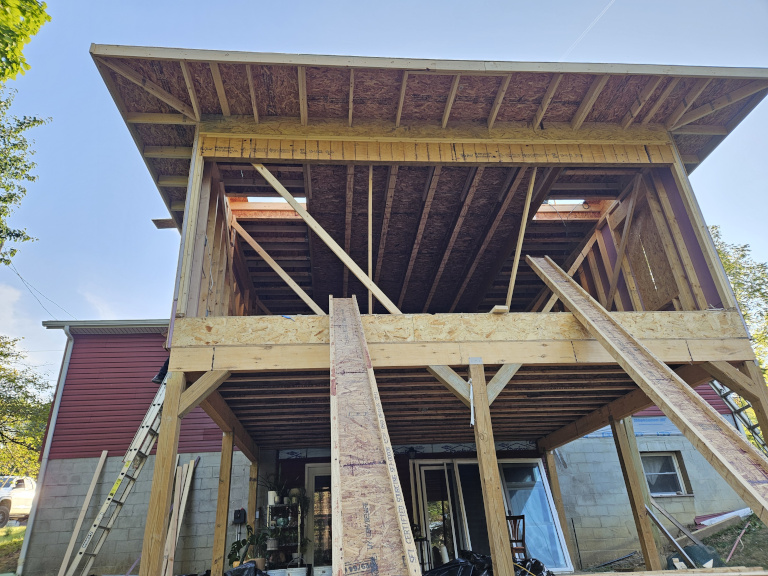
First things first — we needed to remove all of the structure that wasn't in accordance with the county-approved building plans. We had to remove the roof, one full wall, and install a girder to support the overspanned floor joists. All electrical work they did was removed. Essentially everything they touched was removed or supported in some way.

During


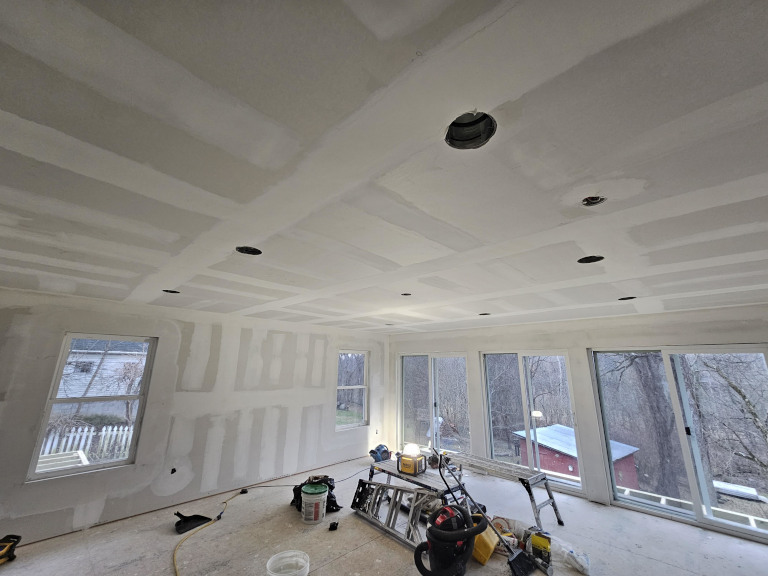
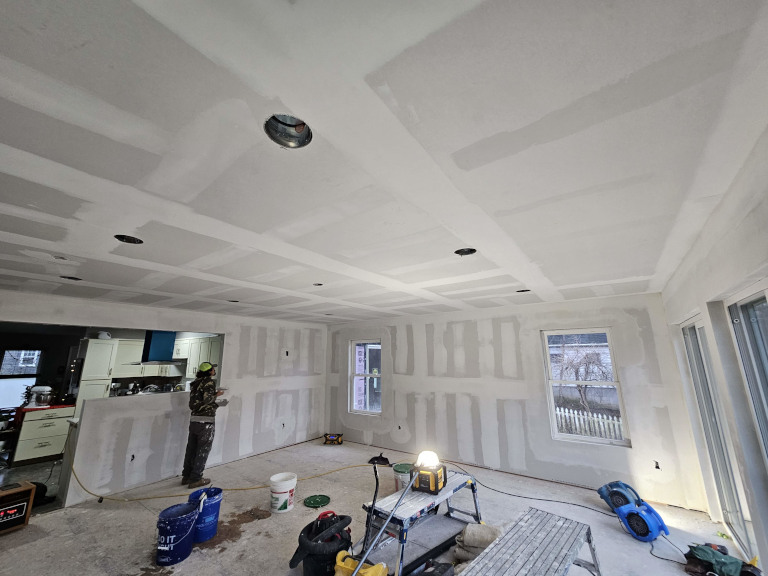
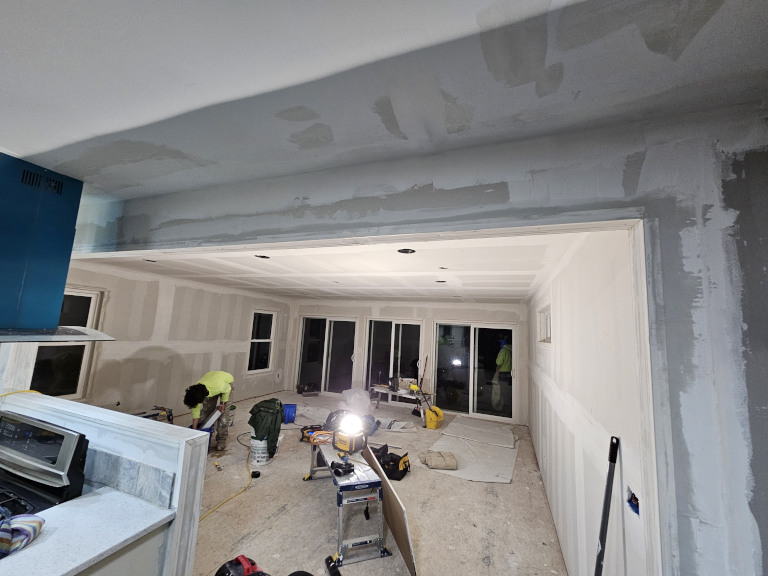
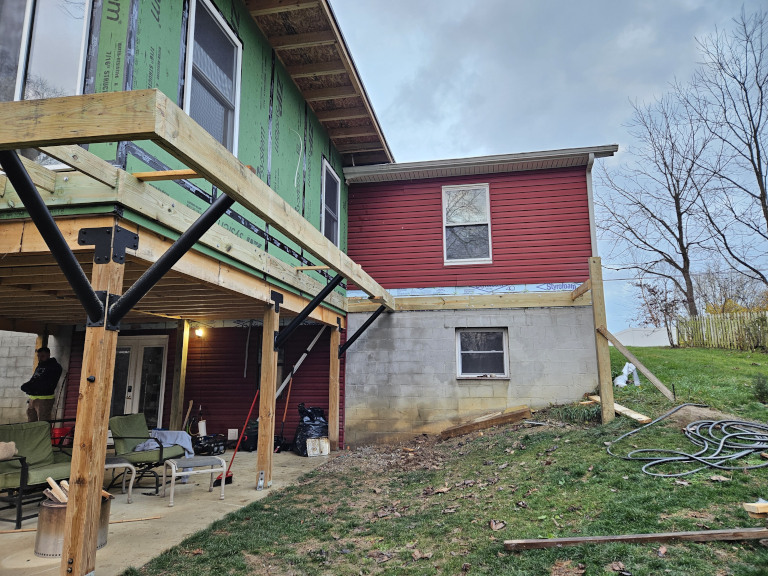
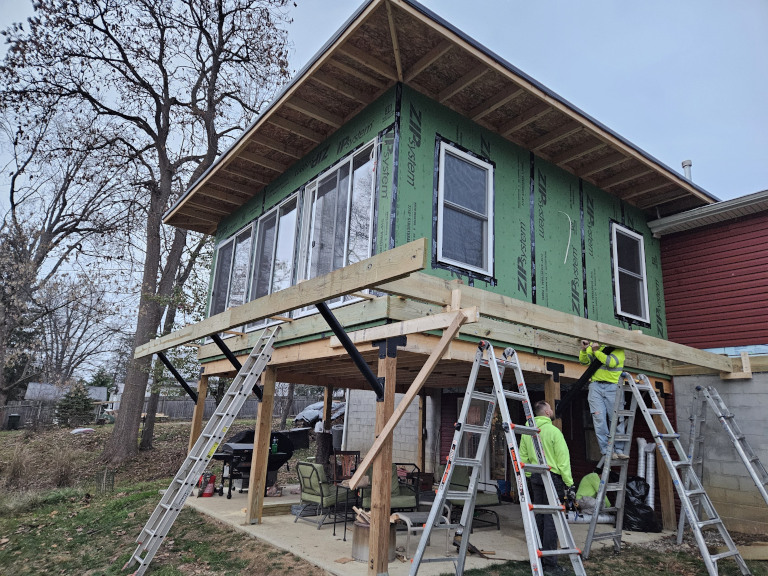
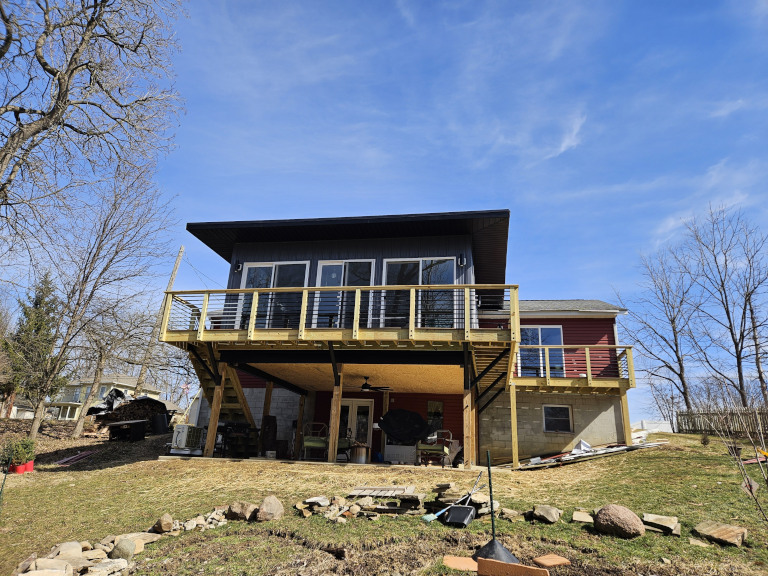
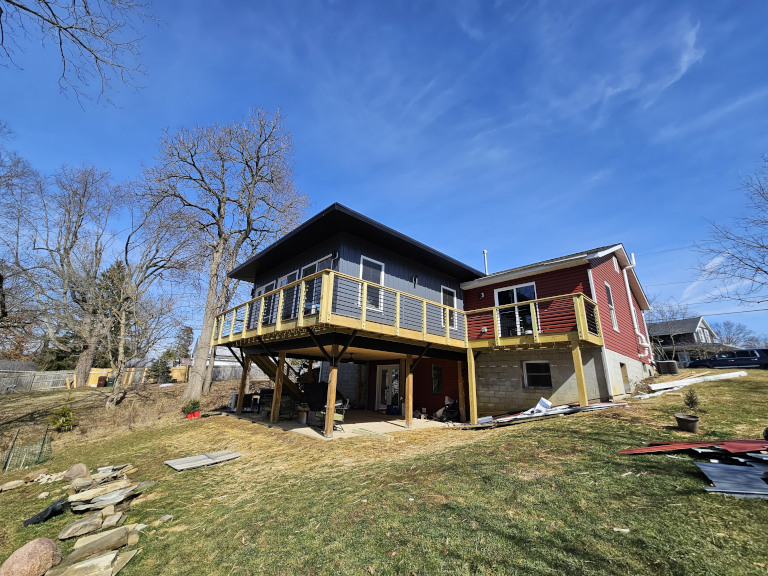
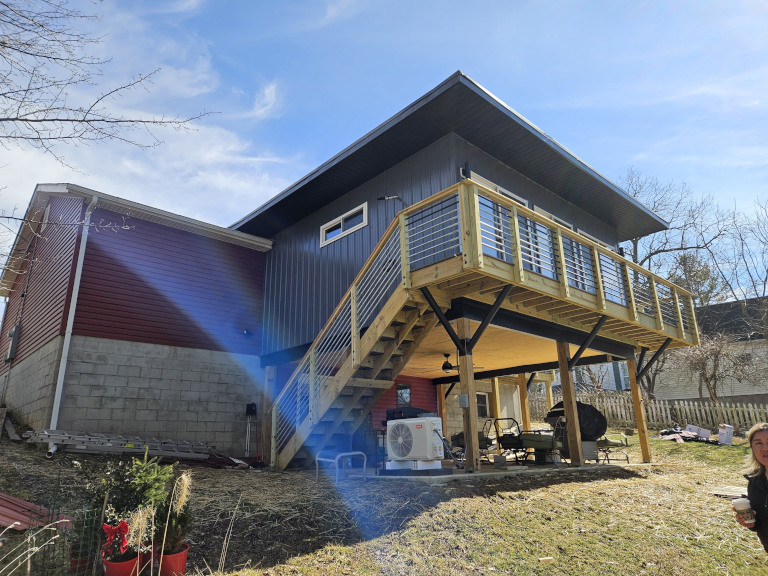
The previous contractor's work had been red-flagged by the county — a failed rough framing inspection that stopped the project cold. The architect provided a repair letter covering most of the deficiencies. From there, our job was straightforward: remove everything the county flagged and build it to what the plans originally specified. The one item the architect's repair letter didn't cover was the first-floor overspan — we identified it, developed a solution, coordinated with the architect, and they provided a letter to the county confirming our approach was within building spec. On the first floor, the I-joists were overspanned. We added an LVL header to split the span and bring it into compliance. The support columns the previous contractor installed were improperly attached to the concrete — wrong hardware, wrong method. We corrected those connections so the load path was solid from the beam down to the foundation. The north and south walls had to be repositioned outward by half an inch so the plywood sheathing would sit flush — a small number that matters a lot when you're trying to close in a building correctly. The west wall was a complete tear-off and rebuild. The plans called for a single large LVL header creating one clear portal opening across the back of the structure. The fraud had installed three smaller undersized headers instead. We removed the wall entirely and reframed it with the correct header to spec. The entire roof structure came off as well — the plans specified 12-inch I-joists capable of spanning 20 feet, and the previous contractor had framed it with 2x6s that were overspanned by double. We reframed the roof correctly with the specified I-joists. Once the framing corrections were complete and all inspections passed, we closed in the walls with zip sheathing and 1-inch insulation between the sheathing and framing to minimize thermal bridging. The roof received polyiso underlayment beneath an EPDM membrane. HVAC was a new split system, and the Millers also got their wood-burning fireplace installed. We insulated, drywalled, taped, and sanded every surface smooth. We passed all inspections and handed over the certificate of occupancy. The standout feature of the build is the exterior deck that wraps around the structure. It was in the original plans, but we doubt the previous contractor would have pulled it off. The deck required custom-manufactured steel supports and a horizontal-design railing that was very custom work. We had the steel fabricated, installed the supports, and built out the full wrap deck to plan.

After


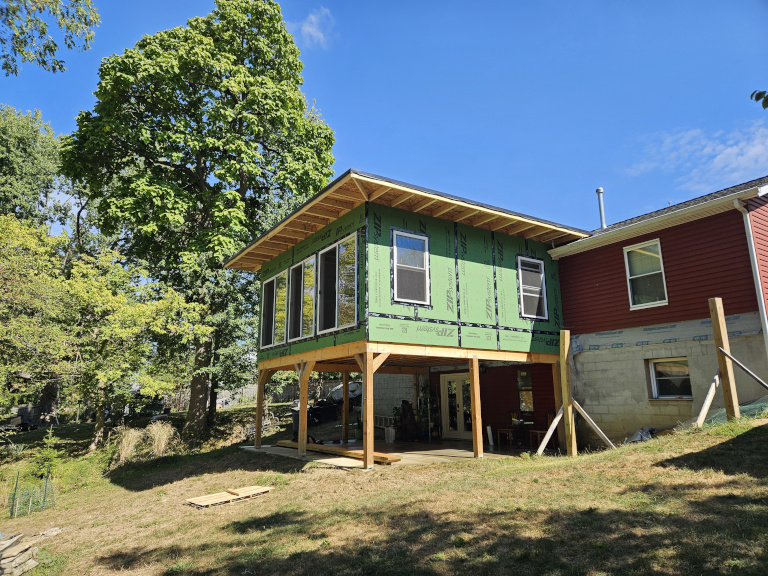
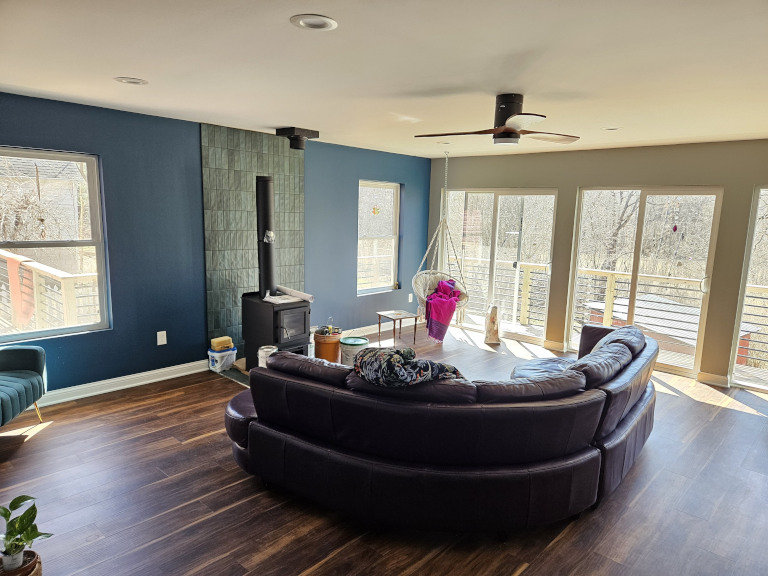
The Millers got their addition back — structurally sound, fully inspected, and ready to live in. Every framing deficiency the previous contractor left behind was corrected, every inspection passed, and the building was closed in properly with zip sheathing, continuous insulation, and an EPDM roof over polyiso. The split-system HVAC and wood-burning fireplace were operational, and every interior wall was drywalled, taped, and sanded smooth. The Millers chose to handle paint and finish trim themselves to keep costs down — after losing roughly $30,000 to the fraud, that was a smart call. We handed them a clean canvas with solid bones behind it. The wrap-around deck with its custom steel supports and horizontal railing is the signature feature of the build — the kind of detail that was in the plans from day one but takes a real crew to execute. The Millers are good people who got taken advantage of, and it was a privilege to be the team that made it right.